The Shroud of Turin – Overview of the individual aspects of Shroud research
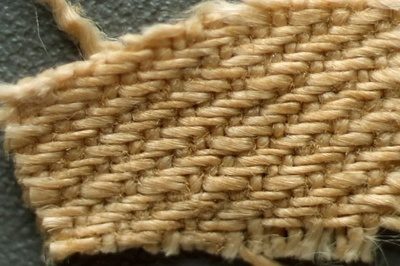
C14 sample of the Shroud © STERA.
Radiocarbon Dating (1988) – Why the Result Is Disputed
The 1988 carbon dating suggested a medieval origin.
However, significant methodological concerns have been raised.
Is the Shroud truly from the Middle Ages—or could the dating be misleading?
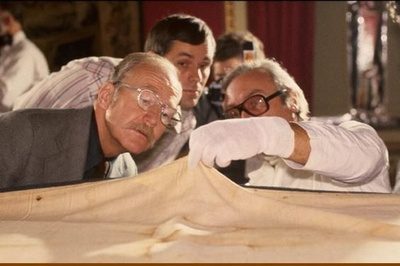
STURP investigation © STERA.
STURP (1978) – The Most Comprehensive Scientific Examination
In 1978, an interdisciplinary team examined the Shroud for five days.
Their conclusion remains striking:
No pigments. No dyes. No known artistic technique.
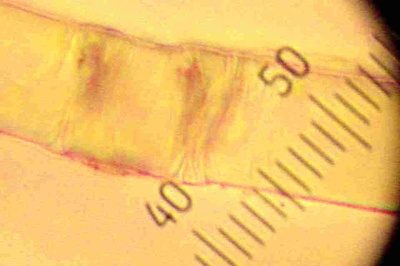
Imagethread under the microscope © STERA.
How Was the Image Formed?
No established scientific process fully explains the image.
Could it be a chemical reaction?
A physical process?
Or something not yet understood?
→ Explore image formation theories
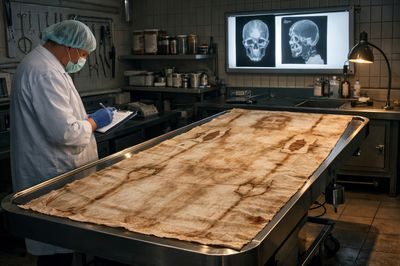
The cloth on the autopsy table of forensic medicine (AI)
Forensic Analysis – Does the Evidence Fit a Dead Body?
Modern forensic standards raise critical questions.
The image shows detailed anatomical features—
but do they match a corpse?
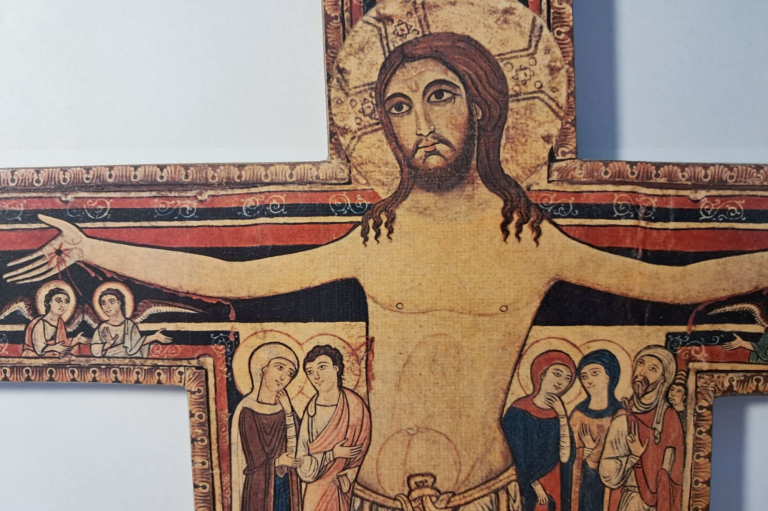
The Cross of San Damiano (Assisi), 12th century
Is It Jesus of Nazareth? Evidence at a Glance
Hundreds of small details align with historical descriptions.
Individually, they may seem inconclusive.
Taken together, they form a compelling pattern.
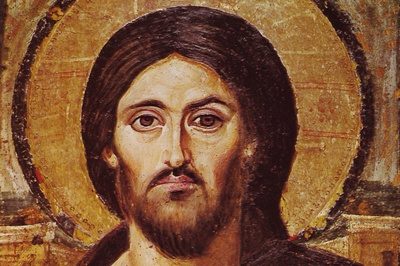
Christ Pantocrator, 6th century
Not Made by Human Hands? The Acheiropoieton Hypothesis
For centuries, some have claimed the image was not created by human hands.
But what does that actually mean—historically and scientifically?
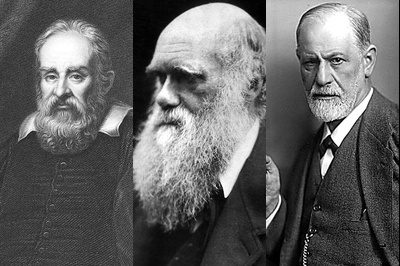
Galilei, Darwin and Freud
Galileo, Darwin, Freud—and a Fourth Wake-Up Call?
Each of these thinkers challenged humanity’s understanding of itself.
Could the Shroud represent another shift—
not by proving the supernatural,
but by forcing a new interpretation of history?
Why Is the Shroud So Controversial?
The Shroud remains controversial because several of its properties still lack a generally accepted scientific explanation.
Despite extensive research, one central issue persists:
The image combines features that are difficult to reconcile with either forgery or known natural processes.
At the same time, it contains details that are extremely difficult to reproduce.
This tension makes the Shroud one of the most debated artifacts in the world.
A walk through the evidence
This page invites you to explore the key findings step by step.
Each section presents a piece of the puzzle—
and brings us closer to the central question:
What does this cloth really show?
Start with → Radicarbon Dating